Geopolitische Entwicklungen prägen zunehmend das globale Investitionsklima. Veränderungen in internationalen Beziehungen, Handelskonflikte oder politische Instabilitäten beeinflussen Entscheidungen von Anlegern und Unternehmen. Das Zusammenspiel dieser Faktoren entscheidet über Chancen und Risiken auf den Finanzmärkten und gestaltet das wirtschaftliche Umfeld nachhaltig.
Inhalte
Geopolitische Konflikte und Märkte
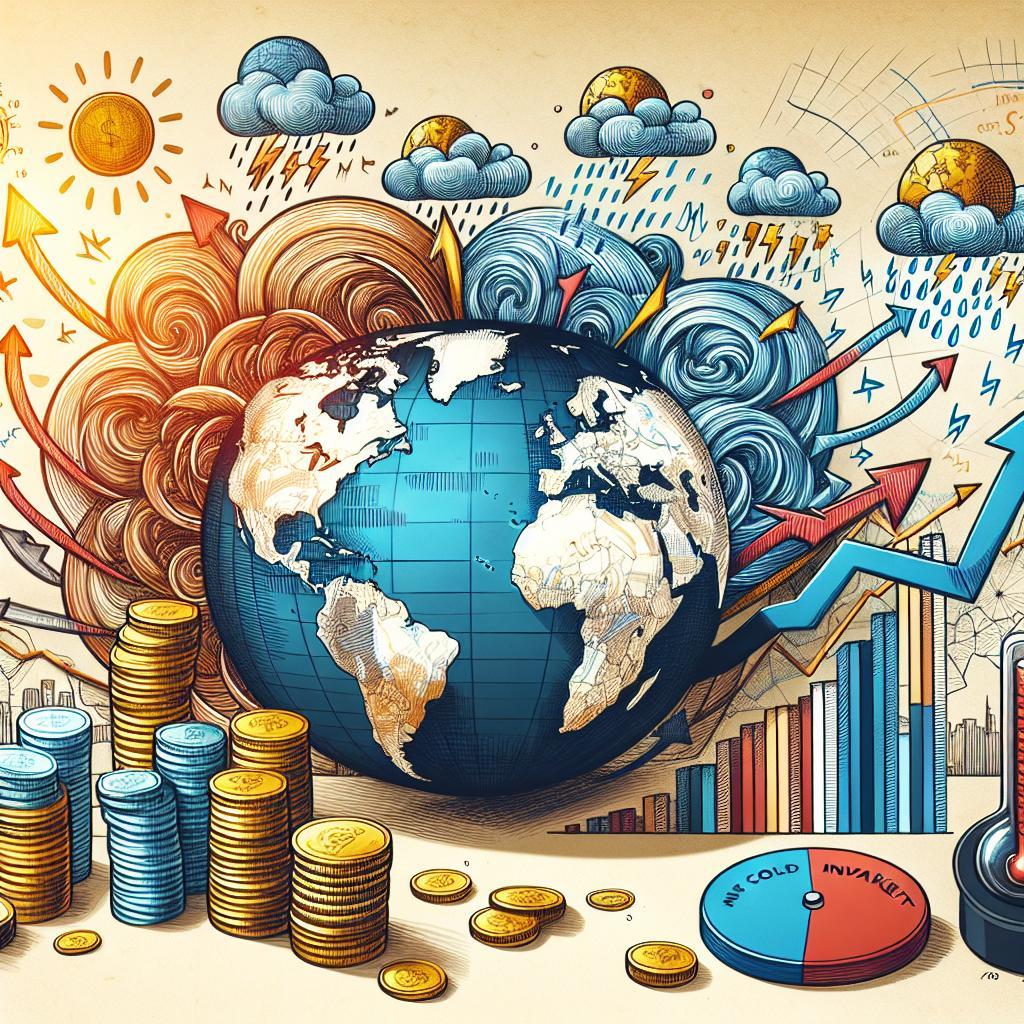
Geopolitische Spannungen wirken sich unmittelbar auf die Volatilität der Finanzmärkte und das globale Investitionsumfeld aus. Regionen mit politischen Unruhen oder Konflikten verursachen Unsicherheit, die häufig zu Kapitalabzügen und sinkendem Vertrauen in lokale Märkte führt. Dabei sind insbesondere Rohstoffmärkte und Exportländer betroffen, deren wirtschaftliche Stabilität eng mit der geopolitischen Lage verbunden ist. Investoren bevorzugen in solchen Phasen oftmals sichere Häfen wie Gold oder Staatsanleihen stabiler Volkswirtschaften, um Risiken zu minimieren.
Die langfristigen Auswirkungen geopolitischer Konflikte können durch folgende Faktoren verstärkt werden:
- Handelsrestriktionen und Sanktionen, die den internationalen Warenfluss behindern
- Veränderungen in der globalen Machtverteilung, die neue wirtschaftliche Allianzen formen
- Erhöhte Verteidigungsausgaben, welche Staatshaushalte belasten und Investitionskapazitäten einschränken
- Auswirkungen auf Währungsstabilität und Kapitalflüsse
| Faktor |
Auswirkung auf Märkte |
| Politische Instabilität |
Sinkende Direktinvestitionen |
| Handelsbarrieren |
Störung globaler Lieferketten |
| Regionale Konflikte |
Steigende Volatilität |
| Sanktionen |
Kapitalflucht |
Auswirkungen von Sanktionen auf Investitionen
Internationale Sanktionen haben oft eine unmittelbare und tiefgreifende Wirkung auf das Investitionsklima in den betroffenen Regionen. Unternehmen sehen sich dabei mit erhöhten Risiken konfrontiert, die zu einer Zurückhaltung oder einem vollständigen Rückzug von Kapital führen können. Dies zeigt sich insbesondere durch eingeschränkten Zugang zu Finanzmärkten und Technologien sowie regulatorische Unsicherheiten, die Planungssicherheit und Renditeerwartungen erheblich beeinträchtigen.
Typische Auswirkungen sind:
- Kapitalabfluss in sichere Märkte
- Verlangsamte Expansionspläne und Projektstornierungen
- Verschärfte Compliance-Anforderungen und Monitoring-Kosten
- Schwächung von Handelsbeziehungen, die Investmentströme beeinflussen
| Sanktionstyp |
Hauptauswirkung auf Investitionen |
Beispielregion |
| Finanzsanktionen |
Kapitalflussbeschränkungen |
Russland |
| Technologieexportverbote |
Innovationsstau |
Iran |
| Handelsembargos |
Marktzugangsschwierigkeiten |
Nordkorea |
Rohstoffmärkte im Fokus geopolitischer Spannungen
Geopolitische Spannungen wirken sich direkt auf die Verfügbarkeit und Preisentwicklung essenzieller Rohstoffe aus. Sanktionen, Handelsbeschränkungen oder gar militärische Konflikte führen häufig zu Signifikanten Versorgungsengpässen und Marktschwankungen. Diese Unsicherheiten treiben Investoren in sicherere Häfen und fördern gleichzeitig die Suche nach alternativen Lieferquellen. Die Volatilität in den Rohstoffmärkten erfordert eine erhöhte Risikobewertung und Anpassung der Anlagestrategien, insbesondere bei Kapitalanlagen, die stark von globalen Lieferketten abhängig sind.
Die folgende Tabelle gibt einen Überblick über einige Rohstoffe, die unter geopolitischen Einflüssen besonders stark schwanken, zusammen mit typischen Ursachen und damit verbundenen Risiken:
| Rohstoff |
Typische geopolitische Ursachen |
Auswirkungen auf Investitionen |
| Erdöl |
Förderländer-Konflikte, Embargos |
Preisschwankungen, Risiko von Versorgungsknappheit |
| Seltene Erden |
Handelssanktionen, Monopolstellungen |
Verfügbarkeitsrisiko, anziehende Preise |
| Metalle (Kupfer, Aluminium) |
Arbeitskämpfe, Exportbeschränkungen |
Produktionsausfälle, Investitionsunsicherheit |
Zusätzlich zeigen sich im Kontext geopolitischer Spannungen klare Trends:
- Stärkung lokaler Ressourcenförderung zur Verringerung der Abhängigkeit von instabilen Regionen.
- Erhöhte Investitionen in nachhaltige und erneuerbare Rohstoffe als langfristige Absicherung.
- Gestiegene Nachfrage nach Absicherungsinstrumenten zur Kontrolle von Preisschwankungen.
Risiken durch politische Instabilität erkennen
Politische Instabilität stellt eine der größten Herausforderungen für Investoren dar, da sie oft zu unvorhersehbaren Veränderungen in Gesetzgebung und Handelspolitik führt. Faktoren wie Regierungswechsel, soziale Unruhen oder Korruptionsskandale können das Vertrauen in Märkte erheblich mindern und somit Kapitalflüsse hemmen. Auch die Unsicherheit bezüglich zukünftiger wirtschaftlicher Rahmenbedingungen erhöht das Risiko von Investitionen, was zu erhöhter Vorsicht bei Kapitalanlagen führt.
Die Erkennung dieser Risiken erfordert eine gründliche Analyse der politischen Landschaft und eine kontinuierliche Beobachtung geopolitischer Ereignisse. Wichtige Indikatoren umfassen:
- Stabilität der Regierung: Dauer und Stärke der Regierungsmehrheit
- Gesetzesänderungen: Häufigkeit und Richtung regulatorischer Anpassungen
- Soziale Bewegungen: Auftreten von Protesten und deren Einfluss auf wirtschaftliche Aktivitäten
- Internationale Beziehungen: Sanktionen, Handelsabkommen oder Konflikte
| Risikofaktor |
Auswirkung auf Investitionen |
| Regierungswechsel |
Verzögerungen bei Genehmigungen, Unsicherheit |
| Soziale Unruhen |
Produktionsausfälle, sinkende Nachfrage |
| Internationale Sanktionen |
Handelsbeschränkungen, Kapitalflucht |
Strategische Diversifikation zur Risikominderung
Angesichts der zunehmenden geopolitischen Unsicherheiten gewinnt eine breit angelegte Streuung der Investitionen an Bedeutung, um potenzielle Verluste zu minimieren. Dabei empfiehlt es sich, Kapital nicht ausschließlich in stark betroffene Regionen oder Sektoren zu binden, sondern gezielt auf verschiedene Märkte und Anlageklassen zu setzen. Strategische Diversifikation kann somit als essenzieller Schutzmechanismus wirken, der das Portfolio widerstandsfähiger gegenüber externen Schocks macht.
Besonders relevant ist die Kombination unterschiedlicher Assets, die in ihrer Wertentwicklung nicht synchron verlaufen. Dazu zählen beispielsweise:
- Regionale Diversifikation (z.B. Nordamerika, Europa, Asien)
- Branchenvielfalt (z.B. Technologie, Gesundheit, Rohstoffe)
- Anlageklassen-Mix (z.B. Aktien, Anleihen, Immobilienfonds)
| Vorteil |
Erklärung |
| Reduziertes Risiko |
Kombination verschiedener Wertentwicklungen mindert Verluste |
| Erhöhte Stabilität |
Unterschiedliche Märkte reagieren nicht gleichzeitig negativ |
| Flexibilität |
Ermöglicht schnelle Anpassungen bei geopolitischen Änderungen |
Was versteht man unter geopolitischen Entwicklungen im Zusammenhang mit Investitionen?
Geopolitische Entwicklungen beziehen sich auf politische, wirtschaftliche und soziale Veränderungen zwischen Ländern, die Investitionsentscheidungen beeinflussen. Zu diesen Faktoren zählen Konflikte, Handelsabkommen, Sanktionen sowie politische Stabilität und Machtverschiebungen.
Wie wirken sich politische Konflikte auf das Investitionsklima aus?
Politische Konflikte führen zu Unsicherheit und Risiken, was Investoren abschreckt. Kapitalflüsse können reduziert werden, weil die Stabilität von Märkten und Eigentumsrechten gefährdet ist. Dies kann zu höheren Kapitalkosten und einer Zurückhaltung bei langfristigen Investitionen führen.
Welche Rolle spielen Handelsabkommen und internationale Kooperationen für Investoren?
Handelsabkommen schaffen verlässliche Rahmenbedingungen, reduzieren Zollbarrieren und fördern Marktzugang. Internationale Kooperationen stärken Vertrauen und Planungssicherheit, was Investitionen begünstigt. Fehlen solche Abkommen, besteht erhöhtes Risiko für Handelshemmnisse.
Inwiefern beeinflusst geopolitische Unsicherheit die Finanzmärkte?
Geopolitische Unsicherheit erhöht Volatilität an Finanzmärkten, da Investoren auf mögliche Risiken reagieren. Flucht in sichere Anlagen ist häufig, während risikoreichere Investitionen zurückgehen. Dies kann Kapitalverfügbarkeit und Finanzierungskosten negativ beeinträchtigen.
Welche Auswirkungen haben Sanktionen auf multinationale Investitionen?
Sanktionen schränken den Handel und Kapitalflüsse ein und können Investitionsprojekte verzögern oder stoppen. Unternehmen müssen Risiken von Betriebseinschränkungen oder Reputationsschäden abwägen, was die Attraktivität bestimmter Märkte deutlich mindert.